


How-To: Dental Implants Tutorial For Beginners
Dental implants have revolutionized the field of dentistry, offering a lasting solution for individuals seeking to restore their smiles and regain functionality after tooth loss. Unlike traditional dentures or bridges, dental implants provide a permanent fixture that mimics the look and feel of natural teeth. This innovative procedure not only enhances aesthetics but also significantly improves oral health by preventing bone loss and maintaining the integrity of surrounding teeth.
As more people become aware of the benefits and advancements in dental implant technology, the demand for these restorative procedures continues to rise. This article delves into the various aspects of dental implants, including the different types available, the procedure involved, expected outcomes, and the advantages over other dental restorative options. Whether you are considering implants for yourself or simply looking to understand this transformative dental solution, this comprehensive guide will provide valuable insights into the world of dental implants.
Types of Dental Implants
Dental implants come in various types to cater to different needs and preferences. The most common types include endosteal implants, which are surgically placed directly into the jawbone, and subperiosteal implants, which are positioned under the gum but above the jawbone. Additionally, there are mini dental implants suitable for patients with limited bone density or for those seeking less invasive alternatives. Each type serves a distinct purpose, making it crucial for individuals to consult with a dental professional to determine the most appropriate option for their specific situation. Furthermore, innovations such as Same-day dental implants for a perfect smile allow for immediate placement and function, greatly enhancing the patient experience.
The Procedure and Benefits
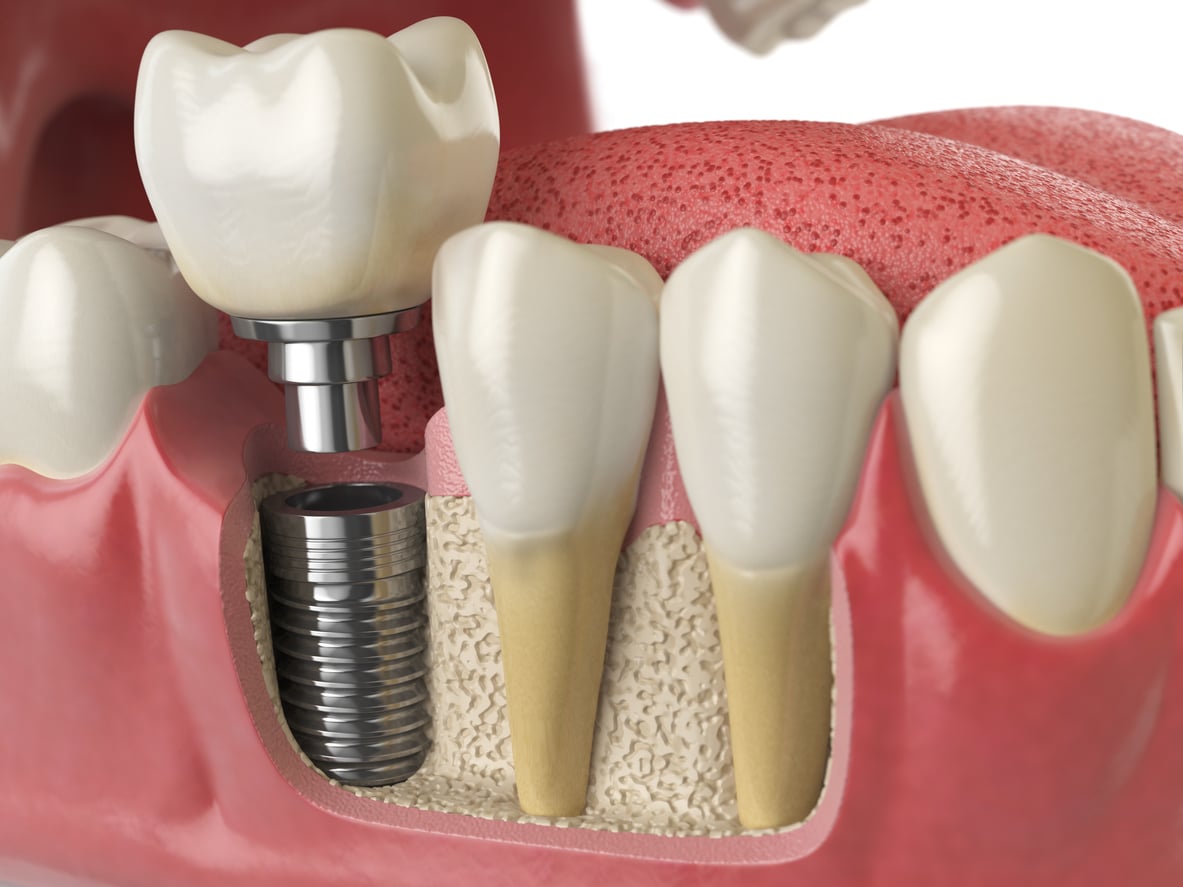
The typical dental implant procedure involves several steps, beginning with a thorough examination and imaging to assess bone density and overall dental health. Following the initial consultation, the surgical phase includes implant placement in the jawbone, followed by a healing period where osseointegration occurs, allowing the implant to fuse with the bone. The final stage involves attaching a custom-made crown that mimics the appearance of a natural tooth. The benefits of dental implants extend beyond aesthetics; they provide enhanced stability compared to removable dentures, improve oral function, and contribute to long-term bone health by preventing resorption. Moreover, maintaining dental implants is similar to caring for natural teeth, making them a convenient and effective restorative option.
In conclusion, dental implants stand out as a highly effective and transformative solution for individuals dealing with tooth loss, providing not only aesthetic benefits but also significant improvements in oral health and functionality. By mimicking natural teeth, implants restore the confidence and ability to chew properly while preventing further dental complications such as bone loss. With various types available to meet different needs, along with advancements in procedures that promise quicker recovery times, dental implants have become an essential resource in modern dentistry. As patients explore their options, understanding the comprehensive benefits and the procedural journey of dental implants is vital for making informed decisions toward achieving a healthier, more radiant smile.
